Table of Contents
Why the Sundarbans Should Be on Your 2026 Bucket List
Imagine gliding through dawn-lit mangrove creeks in the Sundarbans, where Royal Bengal Tiger tracks mark the mudbanks and nature reigns supreme—the world's largest mangrove forest and UNESCO site offers an unparalleled wild immersion. With 2026 bringing enhanced eco-tourism and sustainable travel options, now is the perfect time to explore; this ultimate guide covers everything you need for the adventure of a lifetime.
1. About the Sundarbans:
The Sundarbans derives its name from the Sundari tree (Heritiera fomes), a type of mangrove that dominates this landscape . But it is more than just a forest; it is a complex ecosystem where freshwater from the Ganges, Brahmaputra, and Meghna rivers collides with the saltwater of the Bay of Bengal .
This is the only mangrove forest in the world inhabited by the Royal Bengal Tiger (Panthera tigris tigris). Here, these apex predators have uniquely adapted to a semi-aquatic life, swimming effortlessly between islands and developing a taste for everything from spotted deer to fish . The forest is also steeped in folklore, most notably the legend of Bonbibi, the guardian goddess of the forest, revered by both Hindus and Muslims who venture into the jungle to collect honey and wood .
2. Location: Where Sundarban situated.
The Sundarbans is located in the vast delta of the Ganges, Brahmaputra, and Meghna rivers, straddling the border between India and Bangladesh .
· The Indian Side: Lies in the state of West Bengal, primarily within the South 24 Parganas district .
· The Bangladesh Side: Covers parts of the Khulna, Satkhira, and Bagerhat districts .
For this guide, we will focus primarily on the Indian Sundarbans, as it is the most accessible starting point for international and domestic tourists via Kolkata. The nearest major city and the primary gateway for all tours is Kolkata (Calcutta) , approximately 100-120 kilometers away .
3. Geography: Understanding the Land of Fifty-Six Islands
To truly appreciate a Sundarban tour, you must first understand its unique geography. This is not a national park in the traditional sense with defined roads and trails.
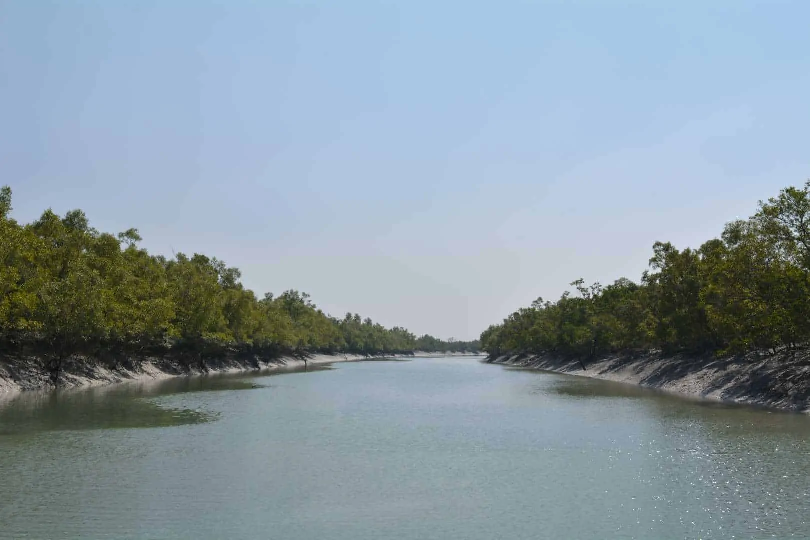
· A Deltaic Labyrinth: The Sundarbans is a vast, waterlogged landscape composed of a vast mangrove delta, consists of approximately 102 islands in the Indian part. Of these 102 islands, 54 are inhabited by communities, while the remaining 48 are forested and protected areas, often inhabited by wildlife. islands formed by the silt deposits of the Ganges river system . These islands are crisscrossed by a complex network of tidal rivers, estuaries, and creeks.
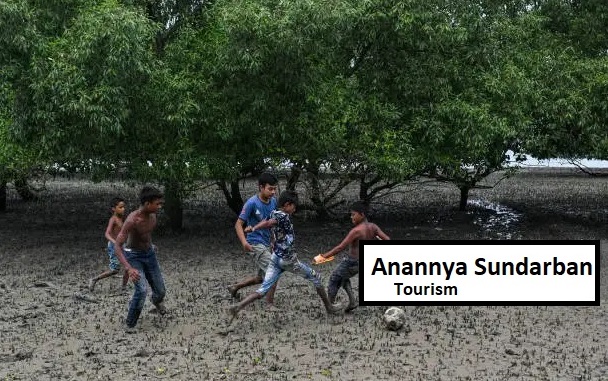
· The Pulse of the Tides: Life here is dictated by the tides. The forest floor is submerged twice daily by high tide and exposed during low tide . This tidal action, ranging from 3 to 8 meters, constantly reshapes the mudflats and channels, creating an ever-changing geography .
· Mudflats and Mangroves: The intertidal zones are dominated by mudflats, which are exposed during low tide. These are the feeding grounds for thousands of wading birds and the basking spots for estuarine crocodiles. The mangroves themselves have unique adaptations like pneumatophores—roots that stick up out of the mud like snorkels to breathe when submerged .
· The Swatch of No Ground: Off the coast lies a mysterious deep underwater canyon in the Bay of Bengal, known as the "Swatch of No Ground," where the sea floor drops abruptly from 20 meters to over 500 meters, influencing sediment patterns and marine life .
4. Part of Area of Sundarban Tour: What Areas Do Visitors Explore?
The tourist-accessible Sundarbans is a carefully managed zone within the larger Sundarbans Biosphere Reserve. The core area, where most safaris occur, is the Sundarbans National Park, which covers an area of 133,010 hectares (approx. 1,330 sq km) . This is the heart of the tiger reserve and a World Heritage Site.
Visitors typically explore a circuit that includes the national park and parts of the Sajnekhali Wildlife Sanctuary (36,234 ha) , which acts as a buffer zone . The experience is almost entirely water-based, moving through the main channels and into smaller creeks.
The Sundarbans, the world's largest mangrove forest (approx. 10,000–10,200 sq km total), is shared between Bangladesh (~60%) and India (~40%). Bangladesh holds about 6,000–6,500 sq km of reserved forest. The Indian side includes ~4,200 sq km of reserved forest and ~5,400 sq km of inhabited, non-forest area, totaling a ~9,600 sq km biosphere
India: Your Gateway, Staging Points, and Safari Zones
For visitors to the Indian Sundarbans, the journey is a progression from the urban sprawl of Kolkata to the serene wilderness.
A. The Gateway and Staging Point: Godkhali
The journey begins on the mainland. The final road-accessible point for almost all Sundarban tours is the village of Godkhali .
· What it is: A bustling riverside jetty town that serves as the launching point for all boats heading into the reserve.
· What to Expect: You will leave your vehicle here and board a boat. The area is lined with parking lots, ticket counters, and small food stalls. This is your last point of contact with the "mainland" before you enter the delta.
B. Accommodation Hubs: The Tourist Islands
You will not be staying inside the core National Park. Instead, your accommodation—whether a jungle resort or a local lodge—will be on one of the inhabited islands on the fringes of the reserve. The most common hubs are:
· Gosaba: One of the largest and most well-connected islands. Many tours include a stop here to experience the local market and village life. It serves as a base for several resorts and hotels .
· Sajnekhali: This is the administrative heart of the tourism zone. It is home to the Sajnekhali Forest Office, the Mangrove Interpretation Centre, and a key watchtower . Many resorts and lodges are clustered in and around this area. Most of hotels are situated near by Sajnekhali Forest Office in Pakhirala, Dayapur, Rangabelia and Gosaba villages.
· Pakhirala, Bali, Dayapur are other islands with a growing number of eco-resorts and homestays.
From your resort on these islands, you will embark on your daily jungle boat safaris.
C. Exploring the Local Islands: A Different Kind of Adventure
Beyond the jungle safaris, a Sundarban tour offers a rich cultural dimension. Exploring the local villages by auto van (toto) or ferry provides a glimpse into a resilient way of life.
· Village Walks: Many packages include guided walks through villages like Gosaba, Satjelia, or Bali . You can witness paddy cultivation, fishing nets being mended, and honey collection—traditional livelihoods that coexist with the tigers.
· Auto Van (Toto) Rides: These electric three-wheelers are the primary mode of transport on the islands. You can hire one to explore the rural back roads, visit local schools, or see how the island communities have built embankments to hold back the saline river water.
· Ferry Crossings: To move between islands, you will use local ferries. This is an authentic experience, sharing space with villagers, school children, and their goods.
5. How to Transport from Kolkata to Your Sundarban Staging Point
Getting from the bustling metropolis of Kolkata to the serene waterways of the Sundarbans is a straightforward journey involving road and river. Here is your step-by-step guide for 2026 .
Step 1: Kolkata to Godkhali (or Canning) by Road
· Private Car/Taxi: This is the most comfortable and recommended option, especially if you are on a pre-booked package. Most tour operators include pickup and drop from your Kolkata hotel or the airport in their package . The drive is approximately 100 km and takes 3 to 4 hours, winding through the vibrant Bengali countryside, past rice paddies, villages, and markets .
· Bus: You can take a bus from Kolkata to Sonakhali or Canning, which are the nearest towns to the river. From there, you will need to hire a local auto-rickshaw or taxi to Godkhali Jetty.
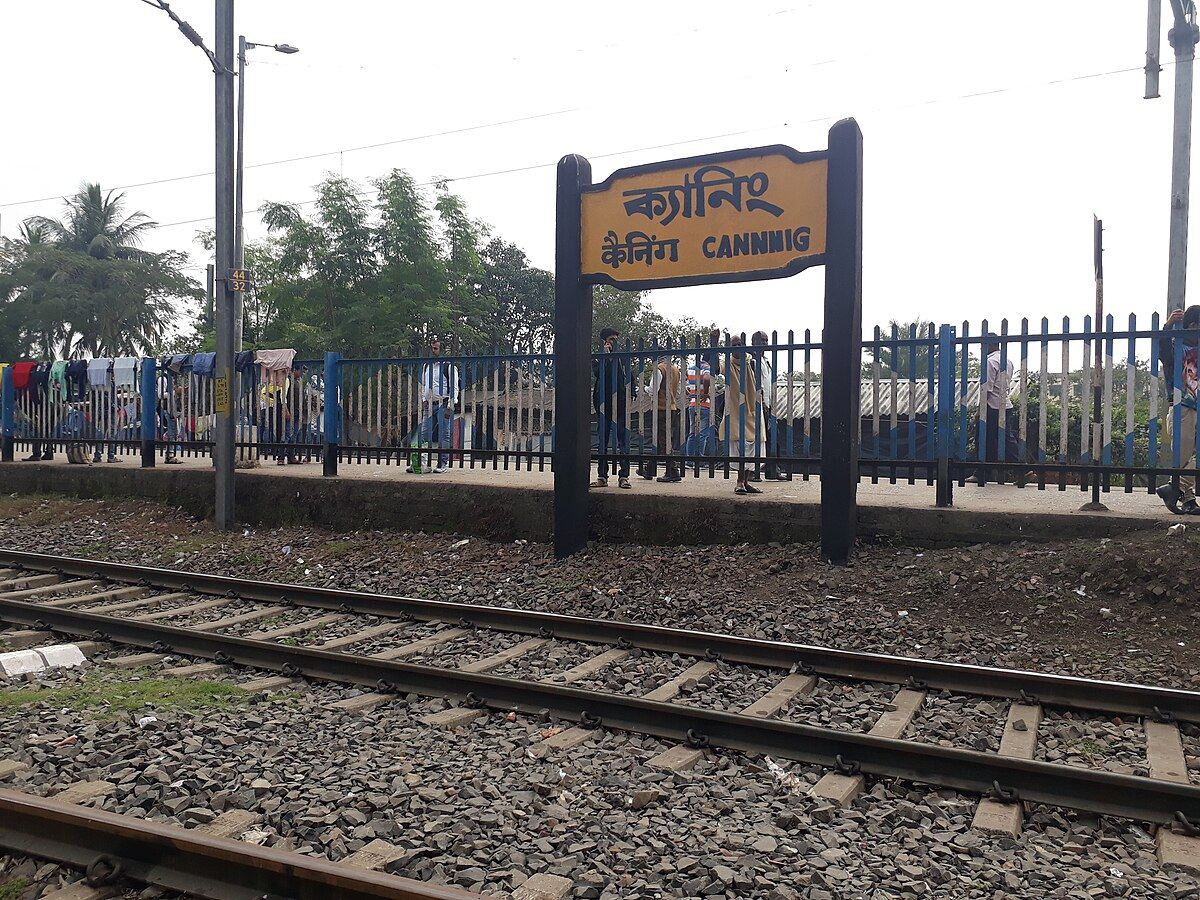
· Train: A more local experience involves taking a local train from Sealdah Station in Kolkata to Canning Station. The journey takes about 1.5 hours. From Canning, you can take a shared auto-rickshaw or bus to Godkhali (approx. 45-60 minutes) .
Step 2: Godkhali to Your Resort (by Boat)
Once you arrive at Godkhali Jetty, your pre-arranged tour operator will meet you. This is where the adventure truly begins. You will board a boat—which could be a simple country boat or a comfortable motorized launch—for the final leg of the journey into the islands. The boat ride from Godkhali to your resort on islands like Gosaba or Sajnekhali can take 1 to 2 hours, offering your first taste of the delta's beauty. Otherwise, you can cross the river at Godkhali and take a ferry to Gosaba town; from there, a Toto rickshaw ride will take you to several resorts and hotels where you can stay—mainly in Pakhirali,
6. What Can You Get Excited About in the Sundarbans?
The excitement of a Sundarban tour is multi-faceted. It's not just about ticking off a checklist of animals; it is about the entire sensory experience .
· The Thrill of the Tiger: The ultimate prize. The knowledge that the world's largest concentration of Royal Bengal Tigers inhabits this dense forest adds an electric charge to every moment on the water. Every rustle on the bank, every alarm call from a spotted deer makes your heart skip a beat .
· A Birder's Paradise: With over 219 to 428 species of birds, the Sundarbans is a world-class destination for ornithologists . From the majestic White-bellied Sea Eagle to the vibrantly colored Ruddy Kingfisher and the elusive Mangrove Pitta, the avian diversity is staggering .
· Encountering Estuarine Giants: The sight of a massive saltwater crocodile basking on a mudbank, its jaws agape, is a primal encounter you won't forget. These are the largest reptiles on earth, and the Sundarbans is one of their last strongholds .
· The Serendipity of Dolphins: Keep a sharp eye on the river surface. You might be lucky enough to spot the playful surfacing of the endangered Ganges River Dolphin or the Irrawaddy Dolphin, adding a magical touch to your safari .
· Cultural Immersion: The evenings spent watching a tribal folk dance performance, listening to the soulful songs of Bonbibi, or sharing a meal with a local family offer a profound connection to the human spirit of the delta .
· Sunset Over the Mangroves: As the sun dips below the horizon, painting the sky in hues of orange and purple and casting long shadows over the still waters, you will witness a moment of pure, transcendent beauty .
7. Best Visiting Places in Sundarban Tour (Jungle Safari)
Your jungle boat safaris will take you to designated areas with watchtowers and trails where you can disembark for a different perspective. Here are the must-visit spots for your 2026 itinerary .
Sajnekhali Watch Tower
· Why Visit: This is the most famous and frequently visited watchtower. Located at the confluence of the Gumdi and Matla rivers, it is the headquarters of the forest department. It houses the Mangrove Interpretation Centre, which provides excellent information about the flora, fauna, and local culture .
· What to See: From the tower, you have a panoramic view of the surrounding forest and water. You have a high chance of spotting spotted deer, wild boar, and a variety of water birds. It's also one of the best places to potentially see a tiger, as they are known to patrol the area.
Sudhanyakhali Watch Tower
· Why Visit: This is arguably the most popular watchtower for wildlife viewing. It overlooks a large water body, which acts as a magnet for animals, especially during the drier months .
· What to See: This is your best bet for seeing a tiger. The open area around the pond provides excellent sightlines. You will almost certainly see herds of spotted deer coming to drink, as well as wild boar and perhaps a crocodile lurking at the water's edge.
Dobanki Watch Tower (The Canopy Walk)
· Why Visit: Dobanki offers a unique experience—an elevated canopy walk that takes you through the mangroves at a height of about 20 feet .
· What to See: Walking among the treetops gives you a different perspective on the forest. You can see birds, monitor lizards, and get a sense of the dense, tangled nature of the mangrove ecosystem from within.
Netidhopani Watch Tower
· Why Visit: This is one of the more remote and atmospheric spots, accessible only on longer tours. It combines wildlife viewing with a dash of history and legend. Here, you can find the ruins of an ancient 14th-century temple and a pond.
· What to See: The ruins themselves are fascinating, shrouded in local lore. The surrounding area is excellent for spotting wildlife, and the watchtower offers a commanding view. It is also known for its large crocodile population.
Other Notable Spots:
· Pirkhali & Panchamukhani: These are zones of converging rivers, often teeming with birds and offering stunning sunrise and sunset views .
· Bonnie Camp: A forest department camp area where you might spot wildlife.
8. Approx Cost for Sundarban Tour Package: A Detailed Breakdown
The cost of a Sundarban tour in 2026 can vary significantly based on duration, accommodation type, group size, and the level of luxury. Here is a realistic breakdown to help you budget . "The estimated costs below are based on a one-day boat safari for a group of 35 to 40 people. For individuals, couples, or small groups of three seeking a private boat safari, the total cost (including hotel stay, transport, and the safari) will be calculated separately and only boat safary approximately ₹25,000.
Package Price Overview
|
Package Type |
Duration |
Approx. Cost (Per Person) |
Inclusions |
Best For |
|
Budget / Standard |
2 Nights / 3 Days |
₹3,500 – ₹5,000 |
Shared non-AC/AC rooms, standard meals, group boat safaris, all permits. |
Backpackers, students, large groups. |
|
Deluxe / Comfort |
2 Nights / 3 Days |
₹7,000 – ₹15,000 |
Private AC rooms in better resorts, smaller group safaris, enhanced meals, private boat options. |
Families, couples, travelers seeking comfort. |
|
Premium / Luxury |
3 Nights / 4 Days |
₹15,000 – ₹30,000+ |
Luxury cottages, private boat with dedicated guide, premium meals, exclusive experiences. |
Those seeking privacy and a premium experience. |
|
Short Tour |
2 Days / 1 Night |
₹4,500 – ₹5,500 |
A quick weekend trip covering key highlights. |
Travelers with limited time. |
|
Extended / Photo Tour |
4-6 Days |
₹25,000 – ₹70,000+ |
Expert photography guides, dedicated skipper, focused itineraries for serious wildlife enthusiasts. |
Avid photographers and wildlife enthusiasts. |
Why Do You Need to Book a Package for the Sundarbans not come and stay in hotel?
This is one of the most frequently asked questions. Unlike a standard national park where you can drive your own car, the Sundarbans is an inaccessible, protected tidal forest. Booking a package with a registered tour operator is not just recommended; it is essential . Here is why:
1. Mandatory Permits: Entry into the Sundarbans Tiger Reserve requires specific permits from the Forest Department. These can only be obtained through authorized operators. You cannot get them on your own at the jetty .
2. Boat Arrangements: All safaris are by boat. You cannot just walk to the river and hire a boat for the core area. Tour operators have licensed boats with approved safety equipment (life jackets) and experienced captains who know the tidal creeks .
3. Local Expertise: Licensed guides are not just storytellers; they are your eyes and ears in the forest. They understand animal behavior, tidal patterns, and safety protocols, dramatically increasing your chances of sightings and ensuring your safety .
4. Logistics: The Sundarbans involves multiple transfers—from Kolkata to Godkhali by road, then by boat to your island resort, and then daily boat safaris. A package seamlessly integrates all of this, saving you from immense hassle.
5. Accommodation: The best places to stay are booked solid, especially in peak season. Tour operators have tie-ups with these resorts and secure your stay as part of the package.
Hotels and Resorts in the Indian Sundarbans
Accommodation in the Sundarbans ranges from basic forest lodges to comfortable eco-resorts. They are not luxury 3-star hotels, but they offer an authentic and comfortable experience immersed in nature. Here are the main types:
· Jungle Resorts: These are the most common. They offer cottages or rooms with modern amenities (AC, attached bathrooms) and are often set in beautiful gardens. Examples include Sunderban Tiger Camp, Sunderban Chital Resort, Tora Eco Resort .
Luxury & High-End Resorts – Hotel Sonar Bangla,Located in Dulki, Gosaba, Sunderban Tiger Camp- Wildlife Resort, Situated on Dayapur Island, this 4-star nature retreat spans 15 bighas and is located directly opposite the Sajnekhali Tiger Reserve, Sundarban Tiger Roar Resort, Located in Jamespur.
Eco-Friendly & Nature Retreats - Sunderbans Jungle Camp and , hetalbon eco resort Located on Bali Island, Tora Eco Resort & Life Experience Center at Bally island.
· Forest Lodges: Run by the West Bengal Tourism Development Corporation (WBTDC) and the Forest Department, these are basic but clean and often located in prime spots like Sajnekhali . They offer excellent value.
· Homestays: A growing trend, especially on islands like Satjelia and Bali. Staying with a local family offers an unparalleled cultural experience, home-cooked meals, and a direct insight into life in the delta.
How Can You Book Packages Online?
Booking your Sundarban tour online for 2026 is simple. Here are the best methods:
1. Direct with Tour Operators: Websites of reputable local operators like Sundarban Eco Trails allow you to browse packages, check itineraries, and book directly. You can usually pay a deposit (e.g., 20%) online via UPI, Bank Transfer, or Online Payment Link to secure your booking, with the balance payable upon arrival .
2. Government Tourism Portals: The West Bengal Tourism Development Corporation (WBTDC) offers fixed-departure packages that you can book through their official website . This is a reliable and trustworthy option.
3. Online Travel Agencies (OTAs): Platforms like Veena World offer Sundarban tours as part of larger West Bengal or Eastern India itineraries . You can also find packages on sites like Trip.com or HappyToVisit .
4. Luxury Cruise Lines: For an ultra-premium experience, you can book directly with cruise companies like Antara Cruises, which operate high-end vessels like the MV Ganga Vilas on Sundarban itineraries.
Booking Tip for 2026: Always read recent reviews on Google or TripAdvisor. Contact the operator directly with any questions before booking. For peak season (Dec-Feb), book at least 2-3 months in advance.
9. Needed Documents for Sundarban Tour (Forest Permission)
To enter the protected reserve, you must carry valid identification. This is non-negotiable, as permits are checked at multiple checkpoints. Your tour operator will handle the actual permit application, but you must provide the documents .
· For Indian Citizens: A valid government-issued photo ID is mandatory. Acceptable forms include:
o Aadhaar Card
o Voter ID Card
o Driving License
o Passport
· For Foreign Nationals:
o Valid Passport
o Valid Indian Visa (or OCI/PIO card)
It is crucial that the name on your booking matches the name on your ID card exactly. Carry a physical copy of your ID, as digital copies on your phone may not be accepted at all checkpoints
10. Best Time to Plan Your Sundarban Tour
Timing your visit is crucial for a comfortable and rewarding experience. The Sundarbans has distinct seasons .
Peak Season (The Best Time): November to February
· Weather: This is the winter season. The weather is cool, dry, and pleasant, with temperatures ranging from 10°C to 25°C. The humidity is low.
· Wildlife Viewing: Animals are more active during the day and venture out to bask in the mild sun. The skies are clear, offering excellent visibility for photography. This is the absolute best time for a safari.
· Considerations: This is also the busiest and most expensive time. Book well in advance.
Shoulder Season: March to May
· Weather: Summer sets in. It becomes progressively hotter and more humid, with temperatures soaring to 40°C+ by May.
· Wildlife Viewing: As the heat increases and water sources inside the forest dry up, animals tend to congregate near the remaining water bodies. This can paradoxically increase your chances of sightings, especially at places like Sudhanyakhali. However, the heat can be oppressive.
· Considerations: Early morning and late afternoon safaris are a must. Carry plenty of water and sun protection.
Off-Season (Monsoon): June to September
· Weather: This period brings torrential rains, high humidity, and strong winds. Cyclones are a possibility. Many rivers swell, and the tides are unpredictable.
· Wildlife Viewing: The forest is lush and green, but safaris are often restricted or canceled due to weather and high tides. Many resorts and operators shut down.
· Considerations: This is the best time for the Sundarban Hilsa Festival, a cultural treat for food lovers . If you visit, be prepared for disruptions and check with your operator about the viability of safaris. Travel insurance is highly recommended.
11. Overall Guide: Essential Tips, Packing, and Pro-Advice
Here is a final collection of expert tips to ensure your 2026 Sundarban tour is smooth, safe, and extraordinary .
Pro-Tips for an Extraordinary Experience
· Manage Your Tiger Expectations: Understand that a tiger sighting is a matter of immense luck. The forest is dense, and the tigers are elusive. Do not let the "maybe" of a tiger define your trip. Focus on the entire experience—the birds, the deer, the crocodiles, the serene beauty of the creeks .
· Embrace the Digital Detox: Mobile network connectivity is extremely weak or non-existent in the core area . Inform your family and friends beforehand, and treat this as a precious opportunity to disconnect and fully immerse yourself in the wild.
· Carry Cash: There are no ATMs inside the forest, and card payments are unreliable on the islands . Withdraw sufficient cash (₹2,000-3,000 per person for tips, snacks, and personal purchases) in Kolkata or at the last town (Canning/Gosaba) before you enter.
· Listen to Your Guide: Your guide is the law in the jungle. Their instructions on when to be quiet, where to stand, and how to behave are for your safety and the safety of the wildlife.
Essential Packing Checklist
Packing smart is key to comfort.
· Documents: Physical copy of Photo ID (Aadhar/Passport), tour voucher, travel insurance.
· Clothing (for Nov-Feb): Light woolens, a warm jacket for early mornings and evenings on the boat. For Mar-Oct: Lightweight, quick-dry cotton clothes in neutral colors (olive, beige, brown). Avoid bright colors.
· Footwear: Comfortable sports shoes or sturdy sandals that you don't mind getting wet or muddy.
· Gear:
o Binoculars: Absolutely essential for wildlife viewing .
o Camera: With a good zoom lens (at least 200-300mm). A beanbag is better than a tripod for shooting from a boat.
o Torch/Flashlight: With spare batteries, as power cuts can happen on the islands .
· Health & Protection:
o Insect Repellent: With high DEET content. The mosquitoes can be fierce, especially at dawn and dusk .
o Sunscreen, Sunglasses, and a Cap/Hat.
o Basic First-Aid Kit: Including medicines for fever, stomach upsets, allergies, and antiseptic cream .
o Hand Sanitizer and Wet Wipes.
· Other: A reusable water bottle, dry snacks, power bank.
The Sundarbans in 2026 awaits. It is a place of mystery, beauty, and raw, untamed nature. With this guide in hand, you are not just a tourist; you are a well-prepared explorer ready to answer the call of the mangroves. Plan ahead, book with a reputable operator, pack your patience and sense of wonder, and prepare for an adventure that will stay with yo

.gif)
.gif)

No comments yet
Be the first to share your thoughts!