Table of Contents
We've wandered across Eastern India, from Kolkata's chaos-meets-culture streets to Darjeeling's mist-shrouded tea gardens. We've trekked to living root bridges in Meghalaya's emerald rainforests and drifted through the tiger-haunted waterways of the Sundarbans. We've watched dawn break over ancient Assamese temples and shared meals with families who've never seen a tourist before.
Here's what we've learned: Eastern India doesn't just show you places—it rewrites your relationship with travel itself. It's about morning tea that tastes like mountain mist, fish curries served on banana leaves that connect you to generations of tradition, and festival drums that make your heartbeat sync with an entire village's joy.
This isn't your typical travel guide filled with tourist traps and Instagram spots. This is our love letter to the destinations that changed us, the flavors that still visit us in dreams, and the raw, untamed beauty that makes this region unlike anywhere else on earth.
The Essential Eastern India Experience
Top 5 Life-Changing Moments
If time forces you to choose, prioritize these experiences that will stay with you forever:
1. Sunrise tiger safari in the Sundarbans – Where you realize you're in the tiger's world, not yours
2. Trek to Meghalaya's living root bridges – Walking across bridges grown by human patience over centuries
3. Dawn tea ceremony in Darjeeling – Sipping liquid poetry while Kanchenjunga turns gold
4. Kolkata street food pilgrimage – Understanding how a city's soul lives in its sidewalk kitchens
5. Harvest festival immersion in Assam or Meghalaya – Dancing until your feet hurt and your heart soars
The Soul of Each Destination
Sundarbans, West Bengal
The planet's largest mangrove maze, where Bengal tigers swim through tidal channels and silence feels sacred. This UNESCO site humbles you—reminding you that some places belong to the wild, not to us.
Kolkata, West Bengal
The "City of Joy" that breaks your heart and mends it simultaneously. Colonial grandeur crumbles beautifully alongside street-side genius, where every corner tells stories of revolution, poetry, and the world's most passionate food culture.
Darjeeling, West Bengal
Tea plantations roll like green carpet toward the Himalayan peaks. The toy train chugs through clouds, and every cup of tea tastes like it contains the essence of morning mist and mountain dreams.
Meghalaya
The "Abode of Clouds" is where matrilineal tribes have perfected the art of living in harmony with nature. Waterfalls thunder through virgin forests, and bridges grow from tree roots trained by generations of patient hands.
Assam
The Northeast's gateway, where the mighty Brahmaputra carries stories of one-horned rhinos and ancient kingdoms. Tea estates stretch beyond horizons, and tribal traditions remain beautifully intact.
The Flavors That Define the East
Dishes That Will Haunt Your Dreams
Jadoh (Meghalaya)
This isn't just rice and pork—it's Khasi culture on a plate. Red rice absorbs the smokiness of the fire and the richness of pork, creating something that tastes like comfort and celebration had a beautiful child.
Dohneiiong (Meghalaya)
Pork curry elevated by roasted black sesame seeds that add an earthiness you've never experienced. Each bite tells the story of ingredients foraged from pristine forests.
Macher Jhol (Bengal)
The fish curry that defines Bengali identity. Light, spicy, soul-warming—it's poetry written in turmeric and mustard oil, served over steaming rice that soaks up every drop of liquid gold.
Masor Tenga (Assam)
The tangy fish curry that traditionally ends Assamese meals. Soured with tomatoes or elephant apple, it cleanses your palate while satisfying your soul—the perfect finale to any feast.
Khar (Assam)
Made from sun-dried banana peel ash, this alkaline starter might sound bizarre, but it tastes like pure Assamese identity. It's the dish that tells you you're experiencing something authentically local.
Street Food Adventures
Puchka & Kati Rolls (Kolkata)
The iconic street duo that turns every sidewalk into a restaurant. Puchka explodes with tangy water in your mouth; kati rolls wrap heaven in paratha.
Assamese Momos with Attitude
Dumplings stuffed with bamboo shoots, local herbs, and smoked pork, served with fermented chili chutney that will make you question every other momo you've ever eaten.
Tungrymbai (Meghalaya)
Fermented soybeans that smell like adventure and taste like an acquired addiction. Often stir-fried with pork, it's the dish that separates food tourists from food adventurers.
Festival Magic: When to Experience the East at Its Peak
Wangala Festival (Meghalaya)
The "100 Drums" harvest celebration, where Garo communities honor the Sun God. Picture this: hundreds of drummers creating rhythms that echo through hills while dancers in feathered headgear move like living poetry. October-November transforms the region into a pure celebration.
Ali Aye Ligang (Assam)
The Mising tribe's spring festival marks the sowing season. Traditional food, rice beer (apong), and the hypnotic Gumrah dance create an atmosphere where ancient traditions feel vibrantly alive. February brings renewal to both crops and souls.
Ambubachi Mela (Assam)
One of India's most powerful religious gatherings at Kamakhya Temple. This June festival, celebrating divine femininity, draws millions of devotees, creating an intense, transformative spiritual experience.
Travel Wisdom: Navigating the East Like a Local
The Sacred Rule of Water
Always include a boat journey. Whether it's stalking tigers in Sundarbans creeks, cruising the Ganges at sunset, or riding the mighty Brahmaputra, water is the East's lifeline and your gateway to its soul.
Embrace the Rhythm
Things move differently here. Tides dictate schedules in the Sundarbans. Mist delays trains in Darjeeling. Festivals stop entire villages for days. Fighting this rhythm means missing the magic—surrender to it instead.
Cultural Sensitivity Matters
In Meghalaya and Assam's matrilineal societies, women hold property and power. Always ask permission before photographing people. Dress modestly at religious sites. Accept the offered kwai (betel nut)—it's hospitality, not just a stimulant.
Essential Phrases That Open Hearts
• "Namaskar" (Bengali): Opens doors everywhere
• "Khub bhalo" (Bengali/Assamese): "Delicious!"—use it often
• "Khai lo?" (Khasi): "Have you eaten?"—the universal friendship opener
• "Dhonnobad" (Bengali/Assamese): "Thank you" with genuine gratitude
Deep Dives into Each Destination
Meghalaya: Where Clouds Touch Earth and Tradition Lives
We trekked for hours through Meghalaya's living cathedral of trees, crossing bridges that seemed grown from fairy tales. By evening, we sat in a Nongriat village homestay, sharing jadoh and tungrymbai with our hosts. As we chewed kwai by the fire, listening to stories passed down through generations, we realized Meghalaya isn't just a destination—it's an invitation into a way of life that honors both nature and heritage.
Why It Matters
This Himalayan state, home to the matrilineal Khasis, Garos, and Jaintias, redefines what sustainable living looks like. Women trace family lineage, own property, and make major decisions. Living root bridges grow for decades before becoming functional—patience as architecture.
What to Eat & Where to Find It
• Jadoh at Police Bazar, Shillong: Ask for the version with pork blood if you're feeling brave
• Dohneiiong at Tympew Cuisine, Shillong: Smoky, earthy perfection unlike any curry elsewhere
• Nakham Bitchi in Tura homestays: Garo Hills' peppery dried fish broth that tastes like home
• Pumaloi during festivals: Delicate steamed rice cakes that appear during community celebrations
Festival Immersion
• Wangala (October-November): The hills echo with 100 drums for days
• A•we Festival: Garo Hills celebration featuring indigenous food competitions—think "Masterchef North Garo Hills."
• Me•gong Festival in Tura: Traditional culture meets global music (past performers include Julian Marley)
Assam: Where Rivers Write History
Standing on Majuli island's banks as the Brahmaputra turned golden at sunset, sharing apong (rice beer) with a Mising woman who spoke of the river's moods—this was the moment Assam claimed us. When The New York Times named Assam one of 2025's top destinations, we nodded knowingly. We'd already fallen under its spell.
The Essence of Assam
More than just tea (though the tea is extraordinary), Assam serves as Northeast India's cultural gateway. Kaziranga's one-horned rhinos, the massive Brahmaputra, and vibrant tribal communities create a tapestry of experiences found nowhere else.
Culinary Adventures
• Traditional Thali Journey: Start with Khar (alkaline palate cleanser), end with tangy Masor Tenga
• Aloo Pitika: Comfort food perfection—mashed potatoes with mustard oil, onions, chilies
• Duck with Ash Gourd: Celebration dish, especially during Bihu festivals
• Guwahati Street Food: Bamboo shoot momos at Uzan Bazaar, Pani Tenga Maas at Fancy Bazaar
Festival Calendar
• Ali Aye Ligang (February): Missing spring festival with sowing rituals and Gumrah dance
• Ambubachi Mela (June): Massive religious gathering celebrating divine femininity
• Bihu (Three times yearly): January's Bhogali Bihu features community feasting and til pitha
Sundarbans: In the Tiger's Kingdom
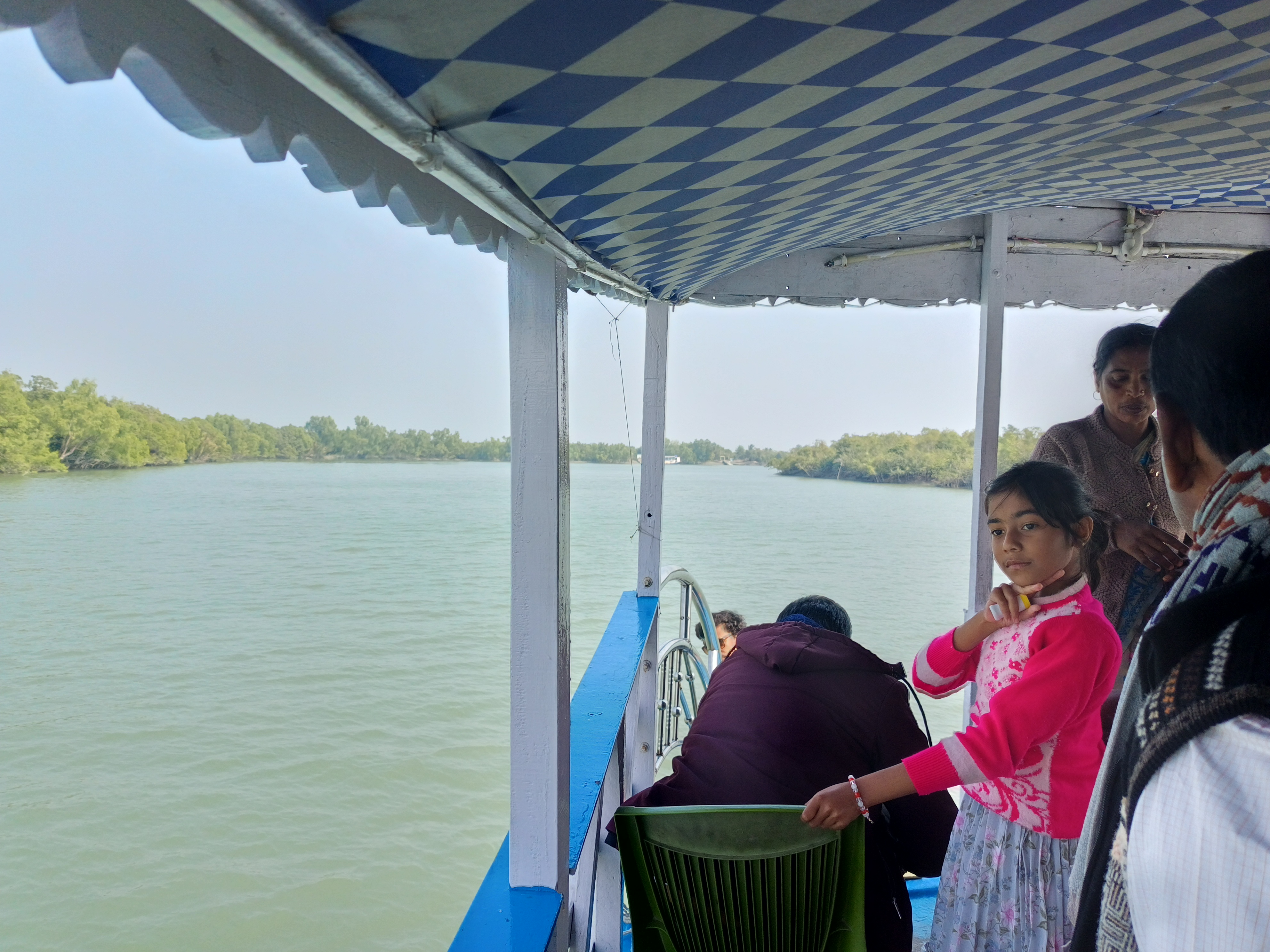
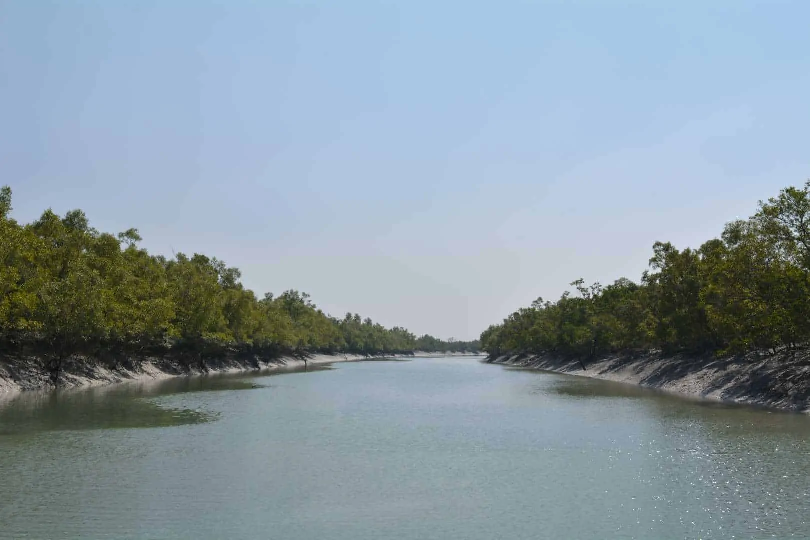
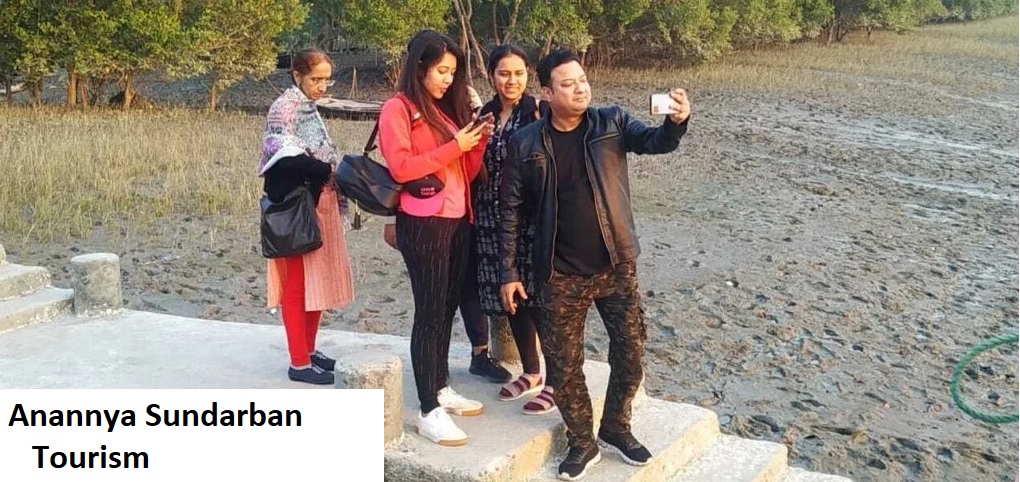
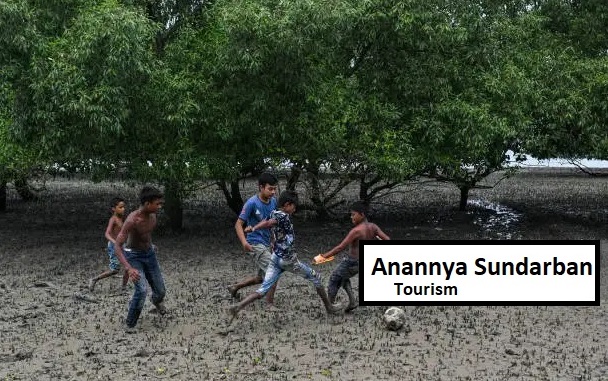
Ducking through a narrow creek where mangrove branches nearly touched our boat, the only sounds were water lapping and a kingfisher's call. Then our guide pointed to fresh tiger pugmarks in the mud. We didn't see the tiger that day, but we felt its presence everywhere. The Sundarbans taught us that some places belong to the wild, and we're just privileged visitors. A Sundarban tour is an exhilarating option for jungle, river, and wildlife lovers, offering a rare chance to explore the world's largest mangrove forest and spot the elusive Royal Bengal Tiger in its natural habitat. Visitors can easily book a Sundarban tour package online, with options ranging from budget day trips to luxury multi-day cruises that include permits, accommodation, and guided safaris.
The Magic
This UNESCO mangrove delta, where the Ganges meets the Bay of Bengal, represents Earth's largest mangrove forest. Here, tigers swim in brackish water, and every tidal shift reveals new mysteries.
How to Experience It
• Duration: 2-3 day boat tours get you deep into the forest
• Best Time: November-February for pleasant weather and wildlife spotting
• What You'll Eat: Fresh river fish prepared simply by boat crews—often the trip's highlight
• Key Stops: Sajnekhali Watchtower, Dobanki Canopy Walk, Bhagbatpur Crocodile Project
Kolkata: Where Chaos Becomes Poetry
Our first Kolkata kati roll from a street-side stall rewrote our understanding of urban food culture. This city transforms food into art, history, and rebellion all wrapped together. An evening in old Tangra, eating Chinese-Indian fusion invented by local communities, we felt the city's pulse—chaotic, intellectual, deeply cultural.
The Experience
Former British India capital, Kolkata, pulses with grand colonial architecture, narrow alleys, and an unmatched passion for food, art, and literature. It's chaos that somehow creates beauty.
Food Adventures
• Street Food Tours: College Street and Park Street for puchka, jhal muri, kati rolls
• Traditional Bengali Meals: 6 Ballygunge Place for heritage restaurant experience
• Chinese-Indian Fusion: Tangra district for dishes found nowhere else on earth
Darjeeling: Sipping Mountain Dreams
Pre-dawn in Darjeeling, wrapped in blankets, driving to Tiger Hill as Kanchenjunga turned gold in first light—a waiter handed us steaming local tea. That cup contained mist and mountains, sunshine and centuries of cultivation expertise. Pure liquid poetry.
The Magic
Himalayan foothills dotted with tea estates, connected by the UNESCO World Heritage toy train. Every vista looks like a painting someone forgot to frame.
Essential Experiences
• Tea Estate Tours: Happy Valley or Makaibari for tastings that educate your palate
• Toy Train Journey: Chugging through clouds feels like traveling through time
• Perfect Pairing: First-flush tea with hot momos while watching the Himalayan peaks
Odisha: Where Temples Cook for Gods
Eating Mahaprasad at Puri's Jagannath Temple—food cooked in the world's largest temple kitchen by hereditary chefs using earthen pots stacked impossibly high over wood fires—created our most spiritually satisfying meal ever. Simple dalma and sweet kheer, shared with thousands on the floor, connected us to something ancient and sacred.
The Heritage
Ancient temples (Bhubaneswar), pristine beaches (Puri), vibrant tribal culture, and cuisine considered among India's oldest and most sophisticated.
Dishes to Seek
• Dalma: Signature dal and vegetable harmony
• Santula: Lightly spiced steamed vegetable medley that tastes like garden sunshine
• Chungdi Malai: Prawns in coconut milk that define coastal perfection
Beyond the Famous
Explore Bhitarkanika's quieter waterways or stay at heritage properties like Killa Aul for authentic Odiya feasts away from crowds.
Eastern India doesn't just show you places—it changes how you see the world. Every bite tells stories, every festival writes memories, and every sunrise reminds you that some journeys transform rather than just transport. This is our invitation to discover not just the East, but a different version of yourself.
.gif)
.gif)

No comments yet
Be the first to share your thoughts!